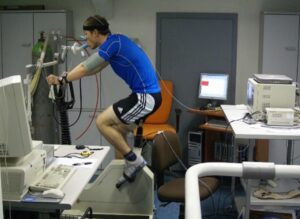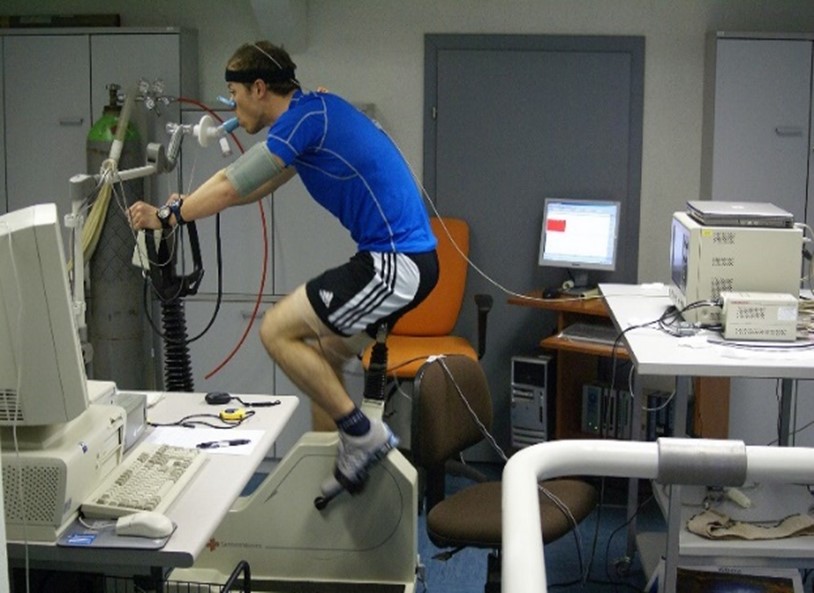
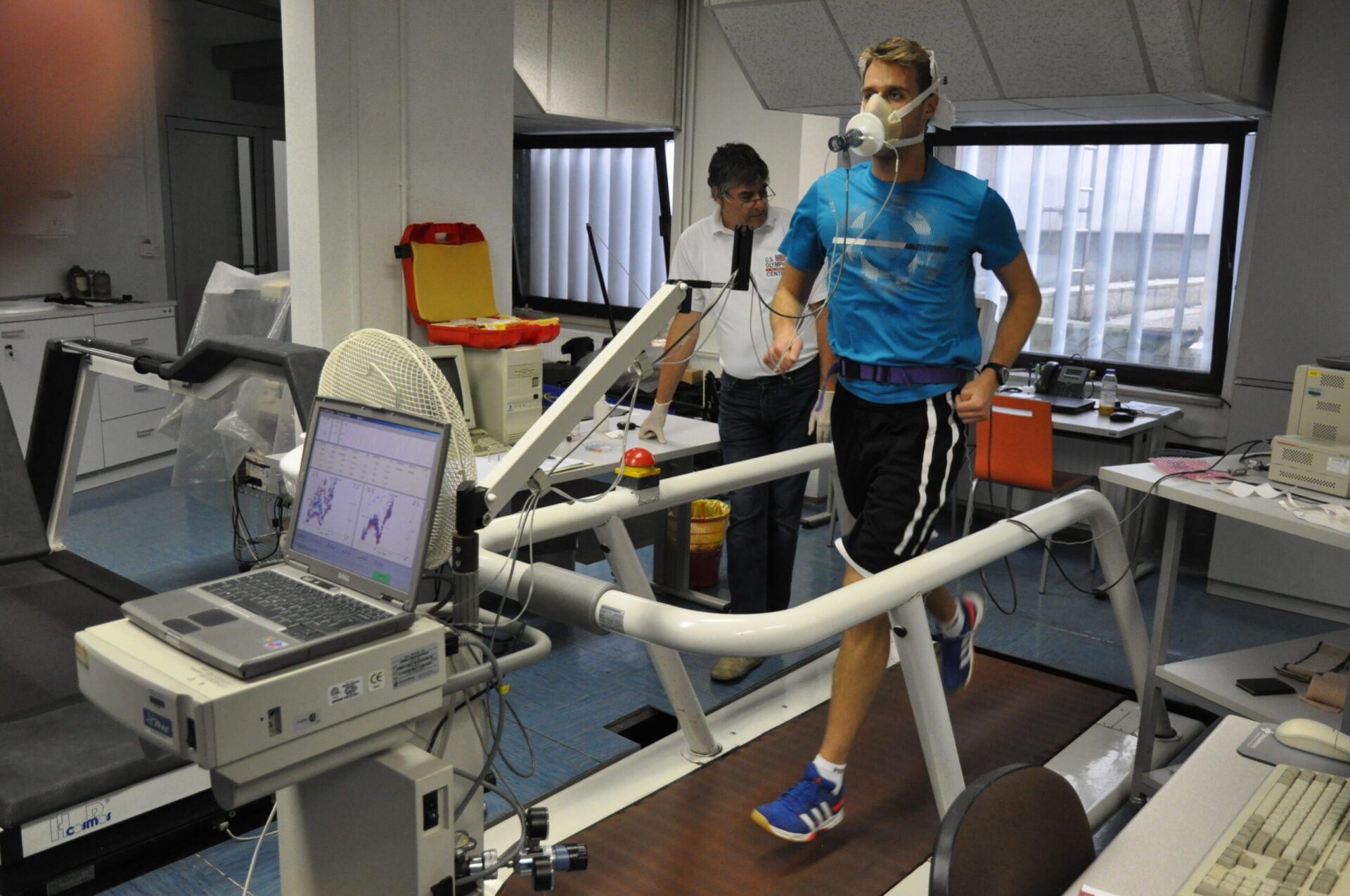

Research in the field of exercise physiology began in 1984 with the measurement of the pH value in the blood and the definition of Threshold of Acidosis in an incremental running test. By further combining blood gas, lactate and heart rate measurements during incremental and continuous tests, the measurements led to the definition of two concepts of «anaerobic threshold”, defined as Lactate Threshold and Threshold of Acidosis on the one hand and maximum lactate steady state and minimum pH steady state on the other hand (Anton Usaj and Vito Starc,Blood pH and lactate kinetics in the assessment of running endurance,01 Jan 1996, 17(1):34-40, https://doi.org/10.1055/s-2007-972805 PMID: 8775574).
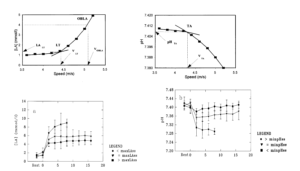
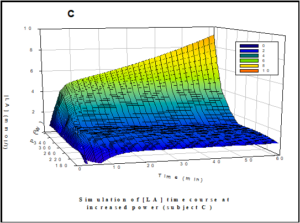
LA kinetics as a simultaneous effect of exercise time and exercise intensity can be visualised in a 3D model. Model demonstrates the dark-blue region, where [LA] slowly decreases after initial small increase at the lowest exercise intensities. This demonstrate the range where larger lactate uptake than production occur. Higher exercise intensity (light-blue) show larger initial [LA] increase which after about 10 min reached steady state values, which remain approximately constant until the end of exercise. The lactate production is equal to its uptake. Finally, the green to red color region of the diagram show tipical large initial increase of [LA], which thereafter decrease its rate of increase. However, the further continuous increase of [LA] show that lactate production continuously exceed its disappearance.
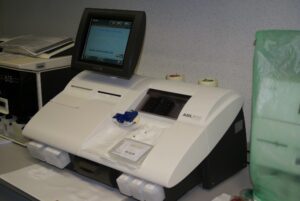
The pH kinetics of the blood depend on H+ production and H+ buffering by the HCO3 system. All these parameters are observed in capillary blood samples from hyperaemic earlobes and measured with the ABL800FLEX blood gas and electrolyte instrument. Ventilation plays an important role. However, as it depends on the performance of the respiratory muscles, even the partial compensation of metabolic acidosis requires a strong effort of the respiratory muscles. As a result, energy expenditure increases and is accompanied by multi-factor fatigue, which sometimes depends on respiratory muscle fatigue, sometimes on metabolic acidosis in the muscles and blood, and sometimes on changes in electrolytes (Strong Ion Difference (SID) or Anion Gap).
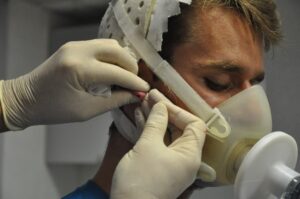
How is increased ventilation (VE) involved in the regulation of acidosis during the maximal lactate steady state (maxLAss) and beyond, leading to a minimum pH steady state (minpHss) or even higher exercise intensities, is still part of our interest. In addition to the analysis of VE and Vco2 kinetics, changes in blood pH, pCO2 and electrolyte balance are also analysed. This requires relatively frequent blood samples to measure the acid-base and electrolyte balance. The quality of the arterialised capillary blood samples taken from hyperaemic earlobes must therefore always be monitored particularly carefully. Our next step in 2025 will be the introduction of arterial blood sampling in our measurements in collaboration with the University clinic and hospital Golnik.
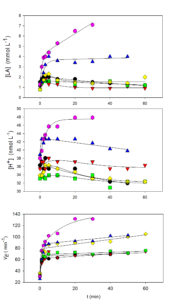
A specific part of our research interest is the kinetics of oxygen uptake in combination with the measurement of muscle oxygenation using classical breath-by-breath gas analyser Vmax SPECRTE (Sensor Medics) and the near-infrared spectroscope NIRO200 (Hamamatsu). Both measurements, in combination with the measurement of blood oxygen saturation, offer certain possibilities for new research work.